
Latin America and the Caribbean
Theme of MUNDP 2027
Many of the issues within this year's region, Latin America and the Caribbean, stem from widespread instability and insecurity. The presence of poor governance has also had a notable impact on governmental institutions, consequently leaving the region vulnerable to issues ranging from humanitarian problems to economic slowdown. Moreover, the region suffers from increasing environmental threats, maritime disputes and difficult political dynamics. Despite these issues, Latin America and the Caribbean is of vital importance to global networks, due to its strategic economic importance and environmental and ecological value.
Annually, MUNDP sets its theme as one of the 5 United Nations Development Programme (UNDP) regions in the world. This year, in MUNDP's 27th annual session, the region that will be focused on is the “Latin America and the Caribbean”. The UNDP serves as the United Nations’ developmental network through government cooperation, and communication with civil society, and the private sector to provide the knowledge, experience, and resources to help societies build better lives. In the Latin America and the Caribbean region, the United Nations primarily works towards alleviating political tension, mitigating the impacts of environmental issues, promoting the vitality of human rights, promoting sustainable economic growth, and improving regional security.
The primary focus of MUNDP 2027 is to eradicate the obstacles that have been put forth by the political and economic instabilities in Latin America and the Caribbean, in order to promote long-term sustainable development. Due to the increased tension caused by systemic differences in the Latin America and the Caribbean region, the area continues to aim for stable governance and long-term developmental steps. Nonetheless, such secure solutions can be brought to life through international collaboration to create a prosperous future for all Latin America and the Caribbean.
Key Issues

Migration and Humanitarian Crisis
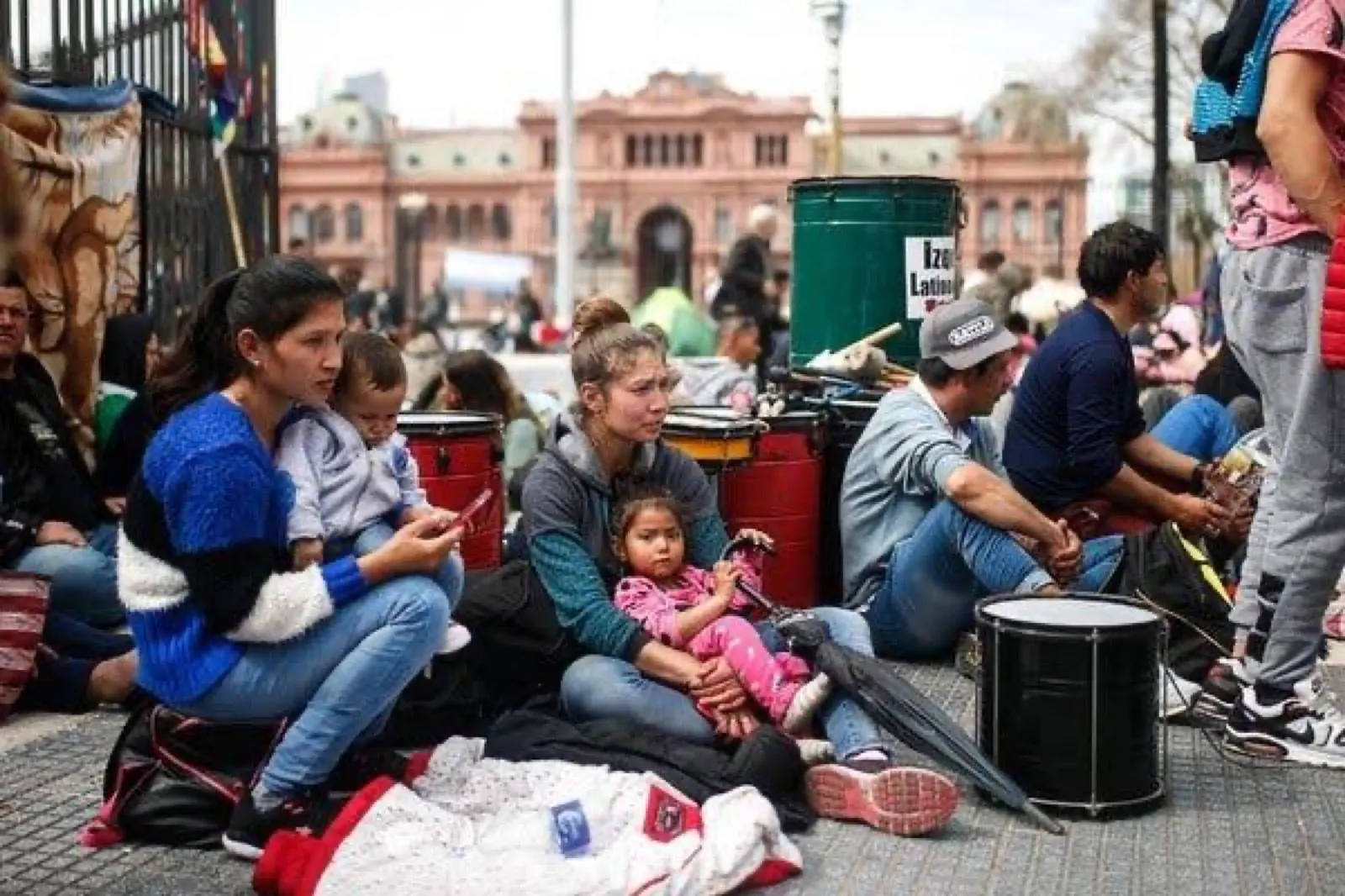
Latin America and the Caribbean is facing one of the largest migration crises in the world. Economic problems, political instability, organized crime, and natural disasters have forced millions of people to leave their homes and move to other countries in search of safety and better living conditions. These large movements of people have put pressure on healthcare, education, housing, and job opportunities in neighboring states. According to the United Nations High Commissioner for Refugees (UNHCR), by mid 2025 the Americas hosted over 21.8 million forcibly displaced and stateless people, highlighting the growing humanitarian and migration challenges across Latin America and the Caribbean. In addition, many migrants and refugees face discrimination, poor living conditions, and the risk of exploitation and human trafficking. The region also faces major humanitarian challenges, including food insecurity, lack of access to healthcare, poor living conditions, and the destruction caused by hurricanes, floods, and droughts. To address these challenges, countries must work together to protect displaced people and find long-term solutions to the causes of migration and humanitarian crises.
Security Issues
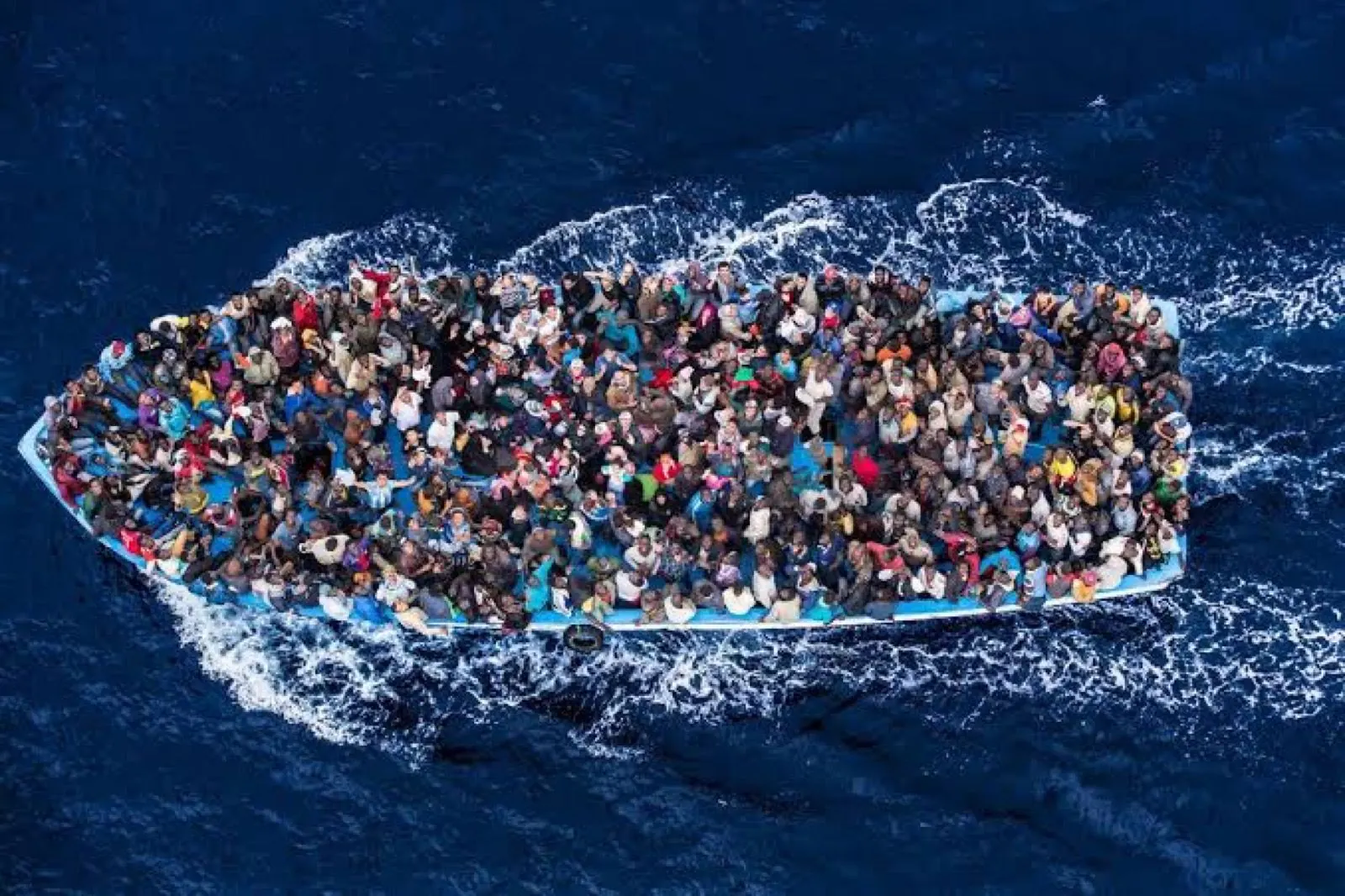
In Latin America and the Caribbean one of the most pressing issues is violence and concerns regarding border security. The major causes of violence and insecurity throughout Latin America and the Caribbean are the spread of transnational organized crime, poor institutional capacity, and socioeconomic inequality. Although the region is home to only around 8% of the world’s population, it accounts for approximately one-third of global homicides. Criminal organizations exploit porous borders, corruption, and limited economic opportunities to engage in drug trafficking, human trafficking, migrant smuggling, illegal arms trade, extortion, money laundering, cybercrime, and increasingly illegal mining and environmental crimes. This situation increases the burden on legal institutions, whereas trust in governments decreases significantly. Hence, the environment of insecurity prevents investment and affects trade and tourism, causing forced and irregular migration processes and diverts public resources away from long-term development priorities. Throughout the whole region, stable security requires improvements in rule of law, regional cooperation in tackling transnational crime, and resolution of social and economic issues which allow violence to happen.
Governance Challenges
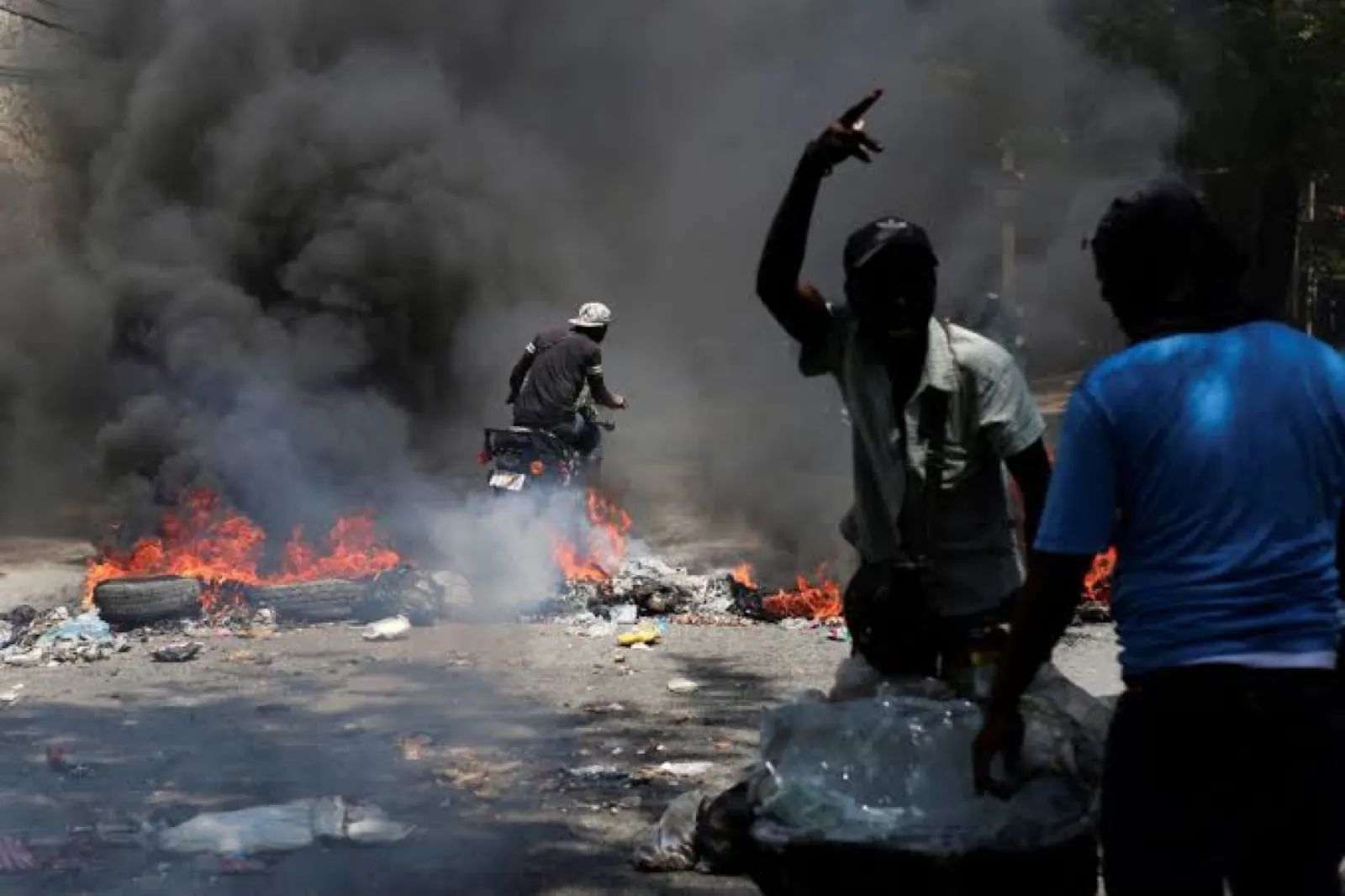
Despite some economic progress, many countries in Latin America and the Caribbean continue to face serious governance challenges. One of the region's main issues is the large difference in the quality of governance between countries. While some states have strong democratic institutions and effective public services, others struggle with corruption, political instability, and weak institutions. This inequality in governance has led to major differences in living standards and access to education, healthcare, and economic opportunities. In many countries, corruption has weakened public trust in governments and made it difficult to address issues such as poverty, organized crime, and natural disasters. To address these issues, governments should strengthen public institutions, reduce corruption, and ensure equal access to public services for all citizens.
Environmental Problems
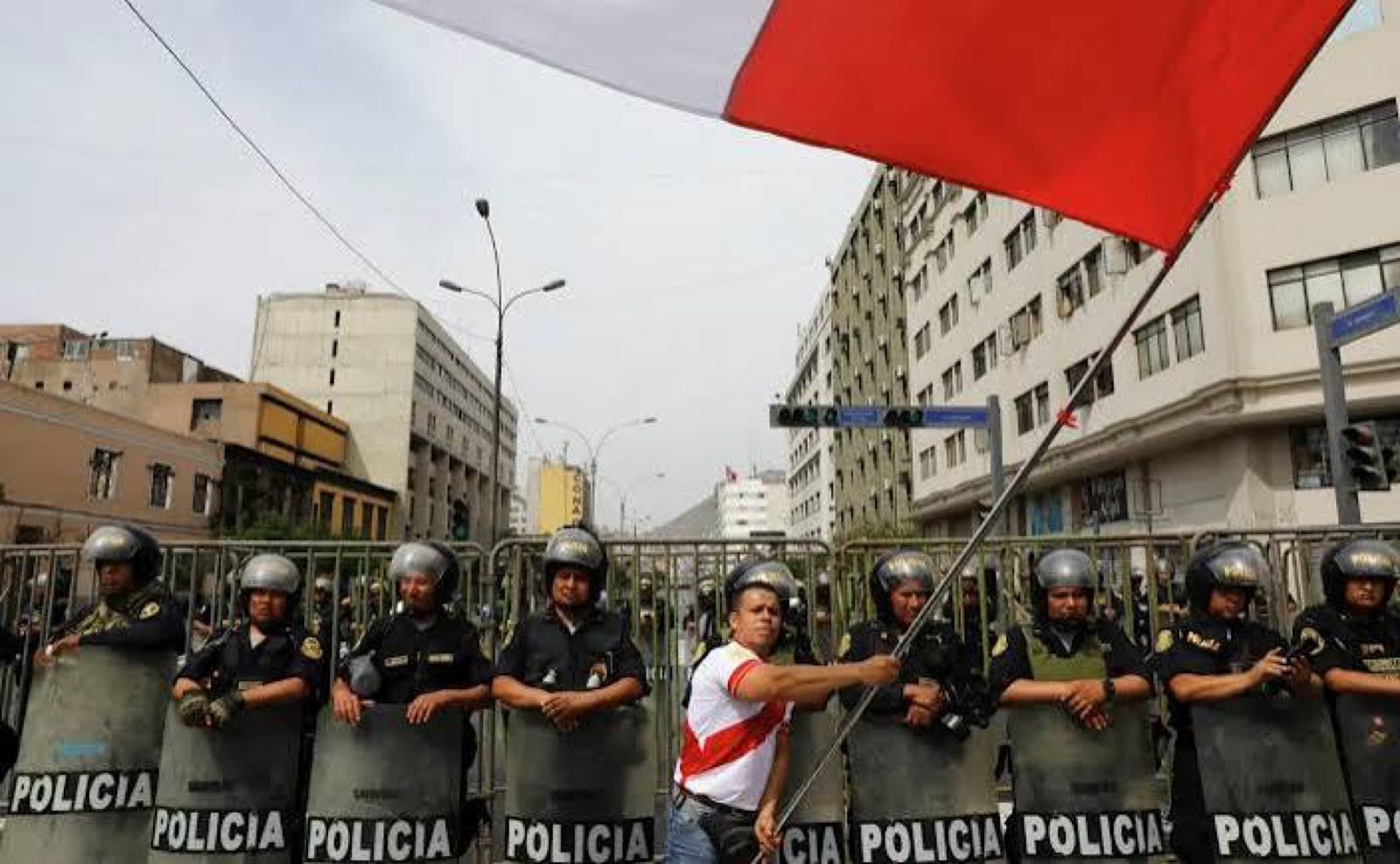
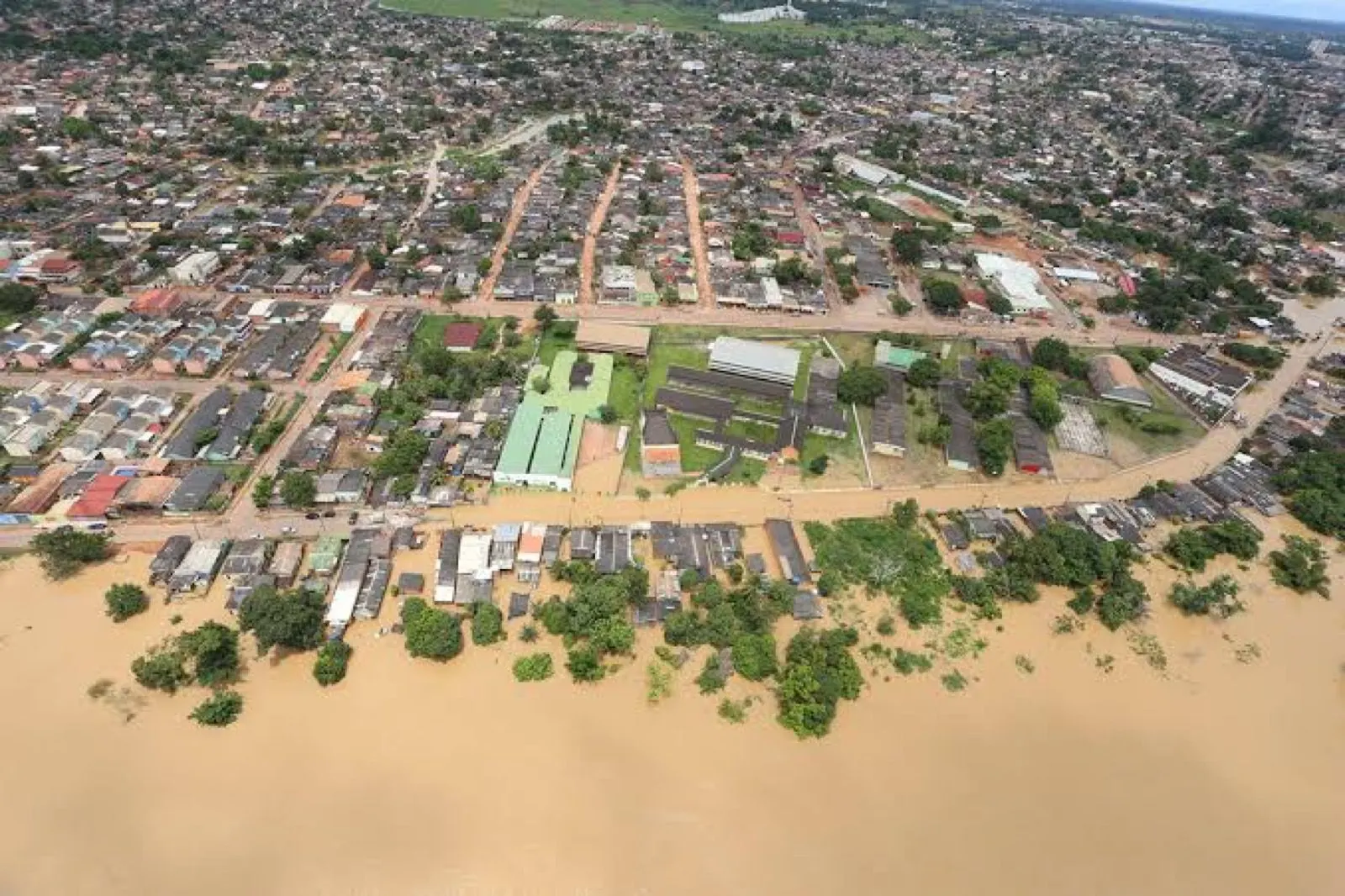
In Latin America and the Caribbean the environment faces severe challenges. The environmental situation in Latin America and the Caribbean stem from deforestation, resource depletion, climate change, and increased natural catastrophes. As a region housing the Amazon rainforest, which represents around 10% of all the biodiversity found on the planet, the region is an important factor of global ecological equilibrium and climate regulation. Nevertheless, illegal logging, mining, agricultural activities, and urban development have led to increased loss of biodiversity and environmental destruction. Similarly, many Caribbean countries, although responsible for negligible shares of greenhouse gas emission, suffer from climate change effects such as more powerful hurricanes, growing sea levels, coastal erosion, and coral reefs deterioration. All these problems pose a threat to the agricultural sector, fisheries, tourism industry, and freshwater security, putting millions of livelihoods at risk. Overall, the environmental issue in Latin America and the Caribbean is very interrelated. Thus, the dialogue between states and international organizations on how to manage resources sustainably, build climate-resistant infrastructures, fight deforestation, and create multilateral environment conservation and disaster prevention policies is crucial.
Economic Insecurity
The issue of economic insecurity in Latin America and the Caribbean could be summarised as the exposure of the common people to poverty, unstable work, and lackluster social protection, even in the years where the economy technically grows. About a quarter of the region's people, which is roughly 162 million, are currently living in poverty, and financial analysts expect very little improvement since the regional economic growth itself is limited as well. The economic output of the region is expected to grow by 2.1% in 2026, a slowdown from 2.4% in 2025, while price growth is climbing past 3%. The biggest force behind low household income and income inequality in the region is believed by many to be the regionwide informality in the workplace. Data shows that nearly half the workforce work without any formal contracts, pension contributions, or health coverage, while research shows that people in fully informal households are roughly three times more likely to be in poverty compared to people in fully formal households. Latin America and the Caribbean has some of the highest income inequality levels on earth, a gap that keeps a stable middle class from forming. Other causes of income inequality and poverty include but are not limited to low investments, bad productivity, and an under diversified economy, high borrowing costs and weak foreign demand that leave the regional economy vulnerable to outside factors, poor institutional trust and crime and violence. Together, these forces keep economic growth from leading the path to secure jobs or rising incomes, leaving the poorest most exposed to unexpected changes in economics, politics, and climate.